
Wheat is a staple crop that requires specific soil management and fertilization practices to achieve ...
आधुनिक तकनीक की मदद से कृषि तेजी से बदल रही है, और स्मार्ट फार्मिंग सफल एवं टिकाऊ खेती का भविष्य बनती जा रही है। पारंपरिक खेती के तरीकों को अब उन्नत उपकरणों और स्मार्ट तकनीकों के साथ जोड़ा जा रहा है, ताकि फसल उत्पादन बढ़ाया जा सके, लागत कम की जा सके और प्राकृतिक संसाधनों की बचत की जा सके। ड्रोन, स्मार्ट सिंचाई प्रणाली, जीपीएस ट्रैकिंग और मिट्टी सेंसर जैसी तकनीकें किसानों को अपने खेतों की अधिक प्रभावी ढंग से निगरानी करने में मदद करती हैं। ये आधुनिक तकनीकें किसानों को वास्तविक समय के डेटा और मौसम की परिस्थितियों के आधार पर बेहतर निर्णय लेने में सहायता करती हैं।
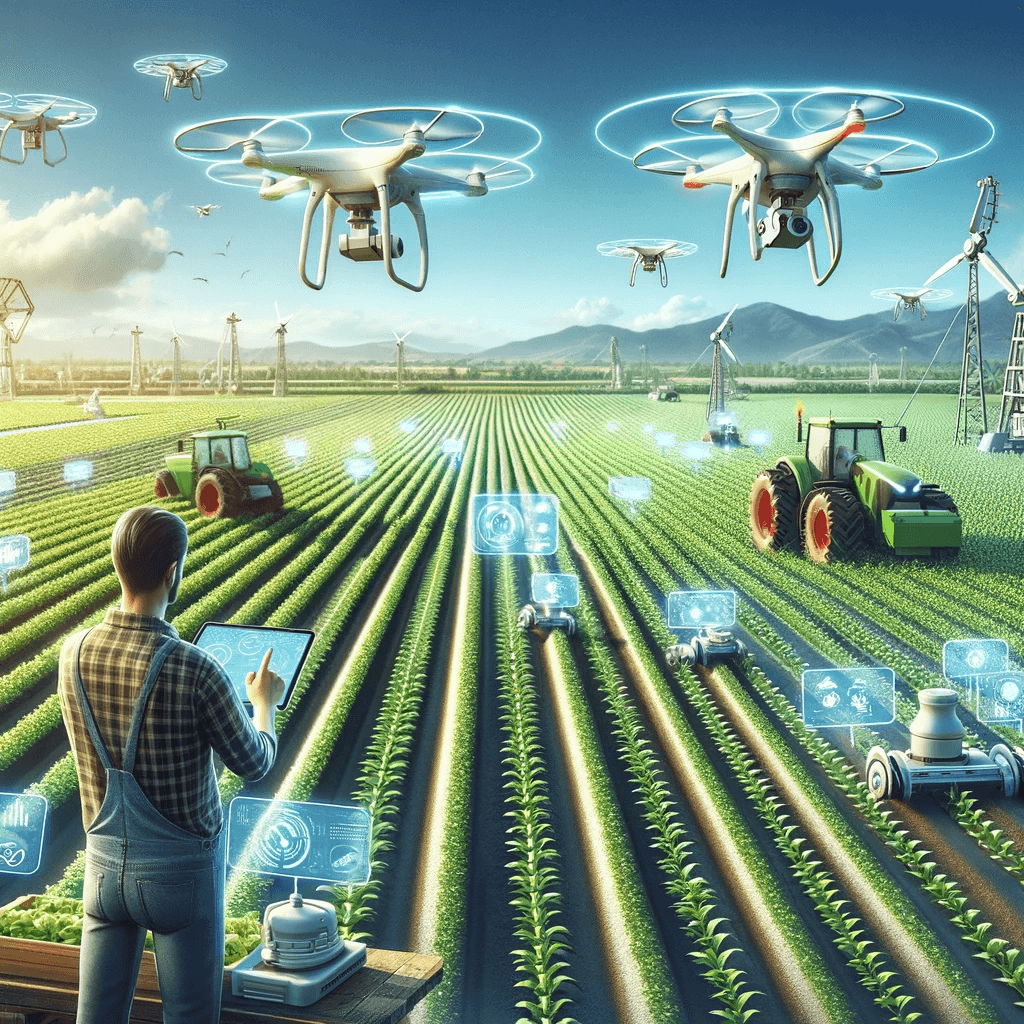
Agriculture is changing rapidly with the help of modern technology, and smart farming is becoming the future of successful and sustainable farming. Traditional farming methods are now being combined with advanced tools and smart techniques to improve crop production, reduce costs, and save natural resources. Technologies such as drones, smart irrigation systems, GPS tracking, and soil sensors help farmers monitor their fields more effectively. These innovations allow farmers to make better decisions based on real-time data and weather conditions.
स्मार्ट फार्मिंग खेती की एक आधुनिक पद्धति है, जिसमें कृषि उत्पादन और कार्यक्षमता बढ़ाने के लिए तकनीक और वैज्ञानिक तरीकों का उपयोग किया जाता है। किसान निम्नलिखित उपकरणों और तकनीकों का उपयोग करते हैं:
ये तकनीकें किसानों को बेहतर निर्णय लेने और खेती को अधिक प्रभावी तरीके से प्रबंधित करने में मदद करती हैं।
1. जल संरक्षण: स्मार्ट फार्मिंग का सबसे बड़ा लाभ पानी की बचत है। ड्रिप सिंचाई जैसी तकनीकें पानी को सीधे पौधों की जड़ों तक पहुँचाती हैं, जिससे पानी की बर्बादी कम होती है और फसल का स्वास्थ्य बेहतर होता है।
2. बेहतर फसल निगरानी: ड्रोन और सेंसर जैसी आधुनिक तकनीकें किसानों को वास्तविक समय में फसलों की निगरानी करने में मदद करती हैं।
3. अधिक उत्पादन: स्मार्ट फार्मिंग किसानों को वैज्ञानिक तरीकों और सही योजना के माध्यम से फसल उत्पादन बढ़ाने में मदद करती है।
4. खेती की लागत में कमी: स्मार्ट तकनीकों के उपयोग से पानी, उर्वरक, कीटनाशक और श्रम पर होने वाले अनावश्यक खर्च कम हो जाते हैं।
ये तकनीकें भूमि के बेहतर उपयोग और टिकाऊ खेती को बढ़ावा देती हैं।
स्मार्ट फार्मिंग महत्वपूर्ण है क्योंकि यह किसानों को मदद करती है:
यह पर्यावरण-अनुकूल और लाभदायक खेती को भी बढ़ावा देती है।
कृषि का भविष्य तकनीक और नवाचार पर निर्भर करता है। जैसे-जैसे आधुनिक कृषि उपकरण अधिक सुलभ होते जा रहे हैं, अधिक किसान उत्पादकता बढ़ाने और चुनौतियों को कम करने के लिए स्मार्ट फार्मिंग अपनाएँगे।
आज की दुनिया में खेती केवल मेहनत का काम नहीं है — यह समझदारी से काम करने का तरीका भी है। जो किसान स्मार्ट फार्मिंग तकनीकों को अपनाते हैं, वे उत्पादन बढ़ा सकते हैं, संसाधनों की बचत कर सकते हैं और कृषि का बेहतर भविष्य बना सकते हैं।
आज की स्मार्ट फार्मिंग, कल का बेहतर भविष्य।
Smart farming is a modern farming method that uses technology and scientific techniques to improve agricultural productivity and efficiency. Farmers use tools like:
These technologies help farmers make better decisions and manage farms more efficiently.
1. Water Conservation: One of the biggest advantages of smart farming is saving water. Techniques like drip irrigation deliver water directly to plant roots, reducing water wastage and improving crop health.
2. Better Crop Monitoring: Modern technologies such as drones and sensors help farmers monitor crops in real time.
3. Higher Productivity: Smart farming helps farmers increase crop production using scientific methods and proper planning.
4. Reduced Farming Costs: Using smart technology reduces unnecessary expenses on water, fertilizers, pesticides, and labor.
These techniques improve land utilization and support sustainable farming.
Smart farming is important because it helps farmers:
It also supports eco-friendly and profitable farming practices.
The future of agriculture depends on technology and innovation. As modern farming tools become more accessible, more farmers will adopt smart farming practices to improve productivity and reduce challenges.
Today’s world, farming is not just about hard work — it is about smart work. Farmers who adopt smart farming techniques can improve productivity, save resources, and build a better future for agriculture.
Smart Farming Today, Better Tomorrow.
0
0
Wheat is a staple crop that requires specific soil management and fertilization practices to achieve ...
भारत में कृषि न केवल एक प्रमुख आर्थिक � ...
Neem cake is an organic byproduct derived from cold-pressed neem seeds after the extraction of neem ...
खरीफ फसलें-मानसून के मौसम में उगाई जात ...
Rice farming requires careful management of soil nutrients to ensure optimal growth and yield. The a ...
Fertilizers are essential substances used in agriculture to enhance the growth and productivity of c ...
Mango farming is a significant agricultural practice in many tropical and subtropical regions. Known ...
Organic farming is an agricultural practice that focuses on growing crops and raising livestock in a ...
Crop rotation, a key agricultural practice, involves growing different crops in the same field acros ...
Soil fertility is crucial for any farmer or gardening enthusiast. Fertile soil promotes healthy plan ...
Soil testing is a process that provides farmers with crucial information about the quality, nutrient ...
The tradition of farming in India is centuries old, and wheat and barley hold significant importance ...
The Aak plant (Calotropis gigantea) is a remarkable creation of nature, valued for its distinctive f ...
Roses, known for their beauty and enchanting fragrance, are the pride of every garden. However, main ...
Agricultural Pollution refers to the harmful effects caused by agricultural activities on the enviro ...
Temperature fluctuations have a direct impact on wheat farming. It affects sowing, growth, grain for ...
During summer, rising temperatures increase the risk of fire in wheat crops. As April begins, wheat ...
Agroforestry is a term derived from two words: "Agriculture" and "Forestry." It is a land-use system ...
कृषि में आर्टिफिशियल इंटेलिजेंस (AI) क ...
Contour Farming is a very common farming technique practiced in India. It is commonly practiced in h ...
Vegetables to Sow in May : Dear farmer friends, in the month of May, our plants don't usually suff ...
Papaya is a highly nutritious fruit loaded with medicinal properties. Its consumption helps regula ...
India is an agrarian country with three major agricultural seasons and a variety of crops being prod ...
Leaf curl disease, which causes leaves to curl, is a serious threat to agriculture. This disease aff ...
Intercropping is a farming method where two or more crops are grown together in the same field. It h ...
Mulching is a layer spread over the surface of the soil, primarily aimed at retaining soil moistur ...
India is an agriculture-based country, yet many farmers can’t use their land as it remains barren ...
पौधों के स्वस्थ विकास और अधिक पैदावा� ...
बीजामृत एक पारंपरिक जैविक उपाय है जि� ...
तुलसी, जिसका वैज्ञानिक नाम Ocimum tenuiflorum है, � ...
धान की खेती करने वाले किसानों के लिए इ� ...
पानी दुनिया की एक ऐसी चीज़ है जो इंसान � ...
रासायनिक खेती के चलते हम एक ही भूमि पर ...
हाइड्रोपोनिक प्रणाली मिट्टी के बिना � ...
डिजिटल खेती किसानों के लिए मौसम, मंडी � ...