
Wheat is a staple crop that requires specific soil management and fertilization practices to achieve ...
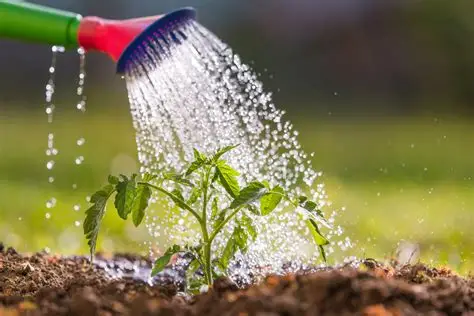
पानी दुनिया की एक ऐसी चीज़ है जो इंसान हो या जानवर हर किसी को इसकी जरूरत होती है । इसी तरह हमारे आसपास दिखने वाले पेड़-पौधों को भी जीवित रहने के लिए पानी बहुत ही ज्यादा महत्वपूर्ण होता है। लेकिन जरूरत से ज्यादा पानी भी हानिकारक हो सकता है। अगर पेड़-पौधों को भी जरूरत से अधिक पानी दिया जाए तो वे भी खराब हो सकते हैं। इसलिए पौधों को हमेशा उनकी जरूरत के हिसाब से ही पानी देना चाहिए। बहुत से लोगों के मन में अधिकतर ये प्रश्न आता है कि पौधों को पानी कैसे दें या पौधों को पानी कब दें? ।
Water is one of the most essential things in the world, needed by every living being, whether humans or animals . Similarly, the trees and plants around us also require water to survive and stay healthy. However, too much water can also be harmful. If plants receive more water than they need, they can get damaged or even die. Therefore, plants should always be watered according to their specific needs..
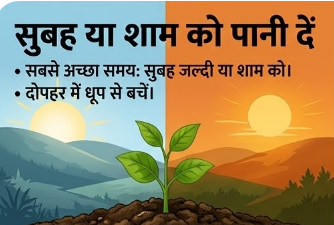
अगर समय के हिसाब से बात करें तो पौधों को पानी देने का सबसे अच्छा समय सुबह और शाम का होता है। क्योंकि इस दौरान पौधों की जड़े अच्छी तरह से पानी सोख लेती हैं। वहीं अगर आप दोपहर के समय पौधों को पानी डालेंगे, तो मिट्टी गर्म होने के कारण वाष्पोत्सर्जन की क्रिया अधिक होने से अधिकतर पानी वाष्प में परिवर्तित हो जायेगा और यह पौधों की जड़ों तक नहीं पहुँच पायेगा। इसके अलावा दोपहर तेज धूप में डाला गया पानी वाष्प में परिवर्तित होकर पौधों के झुलसने का कारण भी बन सकता है। इसलिए दोपहर में पानी डालने से बचें।
गर्मी के मौसम में पौधों को अधिक पानी की आवश्यकता होती है। गर्मियों की तेज धूप में पर्याप्त पानी न मिलने के कारण पौधे पानी की कमी महसूस करने लगते है और इसी वजह से कई बार पौधे सूख जाते हैं। गर्मियों के समय ऐसी स्थिति में पौधों को हरा-भरा और स्वस्थ रखने के लिए आपको इनमें रोजाना उचित मात्रा में पानी देना चाहिए। जब भी आपको मिट्टी की ऊपरी सतह सूखी दिखे तो आप पानी दे सकते हैं।
अगर सर्दियों का मौसम है तो आप 2-3 दिनों में एक बार पौधों को अच्छी तरह गहराई से पानी दे सकते हैं, क्योंकि इस मौसम में पौधों को ज्यादा पानी की आवश्यकता नहीं होती।
वहीं बारिश के मौसम की बात करें तो बारिश के दौरान पौधों को ज्यादा पानी देने से बचना चाहिए। क्योंकि इस मौसम में मिट्टी में अधिक पानी की वजह से पौधों की जड़ें गलने लगती हैं। बारिश न होने की स्थिति में जब मिट्टी की ऊपरी परत सूखी दिखे तब आप पौधों को पानी दे सकते हैं।
किसी भी पौधे को उनके साइज़ और उनकी जरूरत के हिसाब से ही पानी देना चाहिए। बड़े पौधों को आप उनकी आवश्यकता के अनुसार रोजाना पानी दें, लेकिन अगर आपके गमलों या बगीचों में छोटे पौधे लगे हैं तो पौधों में रोजाना अधिक पानी डालने से बचना चाहिए। आप छोटे पौधों को पानी डालने के लिए एक तरीका अपना सकते हैं जिसमें आपको उन्हें एक दिन गहराई तक पानी देना है फिर अगले 2-3 दिनों तक पौधों के आसपास की मिट्टी में पानी का छिड़काव करना है ताकि मिट्टी में नमी बनी रहे। इस प्रक्रिया को अपनाने से आपके पौधे हमेशा स्वस्थ रहेंगे। क्योंकि कई बार ज्यादा पानी डालने की वजह से छोटे पौधों की जड़े गलने लगती हैं जिससे आपका पौधा ख़राब हो सकता है।
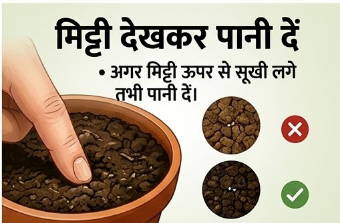
अगर आपके पौधे लगे गमले की मिट्टी सूखी है तो इसमें आपको नियमित रूप से पानी देने की आवश्यकता होगी। क्योंकि सूखी मिट्टी पूरा पानी खुद सोख लेती है, और यदि पौधा उगाये गए गमले की मिट्टी में पर्याप्त पानी न दिया जाए तो, पौधे की जड़ों को मिट्टी से पानी प्राप्त नहीं हो पाता है, जिसके कारण पानी की कमी से उसकी पत्तियां पीली पड़ने लगती हैं और पौधा सूख जाता है। पौधों के लिए जल धारण क्षमता वाली मिट्टी अच्छी होती है क्योंकि यह अपने अंदर पानी को सोख कर पौधों को पानी प्रदान करती है जिसकी वजह से पौधा हरा-भरा रहता है।
पौधों को सही समय, सही मात्रा और सही तरीके से पानी देना उनकी अच्छी वृद्धि और हरियाली के लिए बहुत जरूरी है। जरूरत से ज्यादा या कम पानी दोनों ही पौधों को नुकसान पहुँचा सकते हैं। इसलिए मिट्टी की नमी देखकर, जड़ों में धीरे-धीरे पानी दें और मौसम के अनुसार देखभाल करें। सही सिंचाई से पौधे हमेशा स्वस्थ, मजबूत और हरे-भरे बने रहते हैं।
If we talk in terms of time, the best time to water plants is in the morning and evening. During this time, the roots of the plants can absorb water well. On the other hand, if you water the plants in the afternoon, most of the water will turn into vapor due to increased evaporation because of the heated soil and will not reach the roots of the plants. Moreover, watering in the intense afternoon sunlight can also cause the plants to burn as the water turns to vapor. Therefore, avoid watering in the afternoon.
During the summer season, plants require more water. Due to insufficient water in the intense summer heat, plants feel a shortage of waterThey start to wither and because of this, many times the plants dry up. During summer, to keep plants green and healthy in such situations, you should give them the right amount of water daily. Whenever you see the top layer of soil dry, you can water them.
If it is winter, you can water the plants thoroughly once every 2-3 days, because in this season, plants do not need much water.
As for the rainy season, you should avoid giving excess water to plants during rain. Because in this season, excess water in the soil causes the roots of plants to rot. In the absence of rain, when the top layer of soil appears dry, you can water the plants.
Any plant should be watered according to its size and needs. Large plants Water them daily according to their needs, but if you have small plants in your pots or gardens, you should avoid giving too much water to the plants every day. You can follow a method for watering small plants where you water them deeply one day and then sprinkle water around the plants' soil for the next 2-3 days to keep the soil moist. Adopting this process will keep your plants always healthy because sometimes excessive watering causes the roots of small plants to rot, which can damage your plant.
If the soil in the pot where your plants are planted is dry, you will need to water it regularly. Because dry soil absorbs all the water itself, and if a plant is not given enough water in the soil of the planted pot, the plant's rootsWater them daily according to their needs, but if you have small plants in your pots or gardens, you should avoid giving too much water to the plants every day. You can follow a method for watering small plants where you water them deeply one day and then sprinkle water around the plants' soil for the next 2-3 days to keep the soil moist. Adopting this process will keep your plants always healthy because sometimes excessive watering causes the roots of small plants to rot, which can damage your plant.
Providing plants with water at the right time, in the right amount, and in the right way is very important for their good growth and greenness. Both too much and too little water can harm the plants. Therefore, by observing the moisture of the soil, give water slowly to the roots and take care according to the weather. With proper irrigation, plants always remain healthy, strong, and lush green.
0
0
Wheat is a staple crop that requires specific soil management and fertilization practices to achieve ...
भारत में कृषि न केवल एक प्रमुख आर्थिक � ...
Neem cake is an organic byproduct derived from cold-pressed neem seeds after the extraction of neem ...
खरीफ फसलें-मानसून के मौसम में उगाई जात ...
Rice farming requires careful management of soil nutrients to ensure optimal growth and yield. The a ...
Fertilizers are essential substances used in agriculture to enhance the growth and productivity of c ...
Mango farming is a significant agricultural practice in many tropical and subtropical regions. Known ...
Organic farming is an agricultural practice that focuses on growing crops and raising livestock in a ...
Crop rotation, a key agricultural practice, involves growing different crops in the same field acros ...
Soil fertility is crucial for any farmer or gardening enthusiast. Fertile soil promotes healthy plan ...
Soil testing is a process that provides farmers with crucial information about the quality, nutrient ...
The tradition of farming in India is centuries old, and wheat and barley hold significant importance ...
The Aak plant (Calotropis gigantea) is a remarkable creation of nature, valued for its distinctive f ...
Roses, known for their beauty and enchanting fragrance, are the pride of every garden. However, main ...
Agricultural Pollution refers to the harmful effects caused by agricultural activities on the enviro ...
Temperature fluctuations have a direct impact on wheat farming. It affects sowing, growth, grain for ...
During summer, rising temperatures increase the risk of fire in wheat crops. As April begins, wheat ...
Agroforestry is a term derived from two words: "Agriculture" and "Forestry." It is a land-use system ...
कृषि में आर्टिफिशियल इंटेलिजेंस (AI) क ...
Contour Farming is a very common farming technique practiced in India. It is commonly practiced in h ...
Vegetables to Sow in May : Dear farmer friends, in the month of May, our plants don't usually suff ...
Papaya is a highly nutritious fruit loaded with medicinal properties. Its consumption helps regula ...
India is an agrarian country with three major agricultural seasons and a variety of crops being prod ...
Leaf curl disease, which causes leaves to curl, is a serious threat to agriculture. This disease aff ...
Intercropping is a farming method where two or more crops are grown together in the same field. It h ...
Mulching is a layer spread over the surface of the soil, primarily aimed at retaining soil moistur ...
India is an agriculture-based country, yet many farmers can’t use their land as it remains barren ...
पौधों के स्वस्थ विकास और अधिक पैदावा� ...
बीजामृत एक पारंपरिक जैविक उपाय है जि� ...
तुलसी, जिसका वैज्ञानिक नाम Ocimum tenuiflorum है, � ...
धान की खेती करने वाले किसानों के लिए इ� ...
आधुनिक तकनीक की मदद से कृषि तेजी से बद� ...
रासायनिक खेती के चलते हम एक ही भूमि पर ...
हाइड्रोपोनिक प्रणाली मिट्टी के बिना � ...
डिजिटल खेती किसानों के लिए मौसम, मंडी � ...