
Flower drop is a major problem in tomato cultivation, leading to significant economic losses for far ...
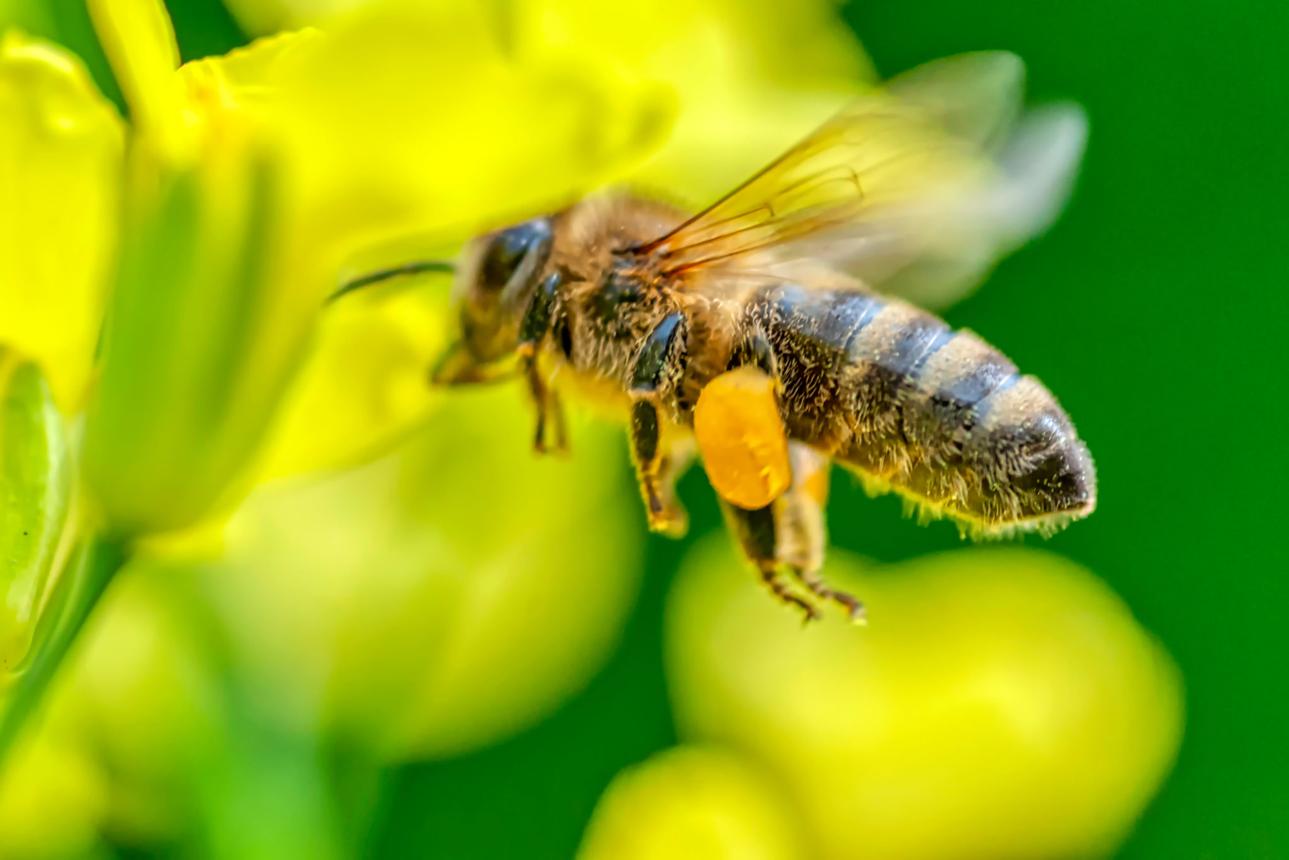
जब भी खेती की बात होती है, तो ध्यान बीज, उर्वरक, पानी और मशीनों पर जाता है। लेकिन एक ऐसा जीव भी है जो चुपचाप किसानों की पैदावार बढ़ाने में महत्वपूर्ण भूमिका निभाता है—मधुमक्खी। वैज्ञानिक शोध बताते हैं कि दुनिया की लगभग 75% खाद्य फसलें किसी न किसी स्तर पर परागणकर्ताओं पर निर्भर हैं, जिनमें मधुमक्खियां सबसे प्रभावी मानी जाती हैं। यही कारण है कि इन्हें कृषि की "प्राकृतिक सहयोगी" कहा जाता है। मधुमक्खियां फूलों के बीच पराग का आदान-प्रदान कर फसलों के बेहतर विकास में सहायता करती हैं, जिससे उत्पादन के साथ-साथ फलों और बीजों की गुणवत्ता भी बढ़ती है।
Whenever farming is discussed, attention is usually focused on seeds, fertilizers, water, and machinery. However, there is one small creature that quietly plays a vital role in increasing farmers' crop yields—the honeybee. Scientific studies indicate that nearly 75% of the world's food crops depend, to some extent, on pollinators, with honeybees being among the most effective. This is why they are often referred to as agriculture's "natural allies."By transferring pollen between flowers, honeybees support better crop development, leading to higher yields as well as improved fruit and seed quality.
मधुमक्खियां फूलों से रस और पराग एकत्र करते समय एक फूल से दूसरे फूल तक पराग पहुंचाती हैं। इस प्रक्रिया को परागण (Pollination) कहते हैं। बेहतर परागण से फलों और बीजों का निर्माण अधिक होता है, जिससे उत्पादन और गुणवत्ता दोनों में सुधार आता है।
सरसों, सूरजमुखी, सेब, आम, लीची, बादाम, खीरा, तरबूज और कई सब्जी फसलों में मधुमक्खियों की भूमिका बेहद महत्वपूर्ण है। कई अध्ययनों में पाया गया है कि मधुमक्खियों की उपस्थिति से कुछ फसलों की उपज और गुणवत्ता में उल्लेखनीय वृद्धि होती है।
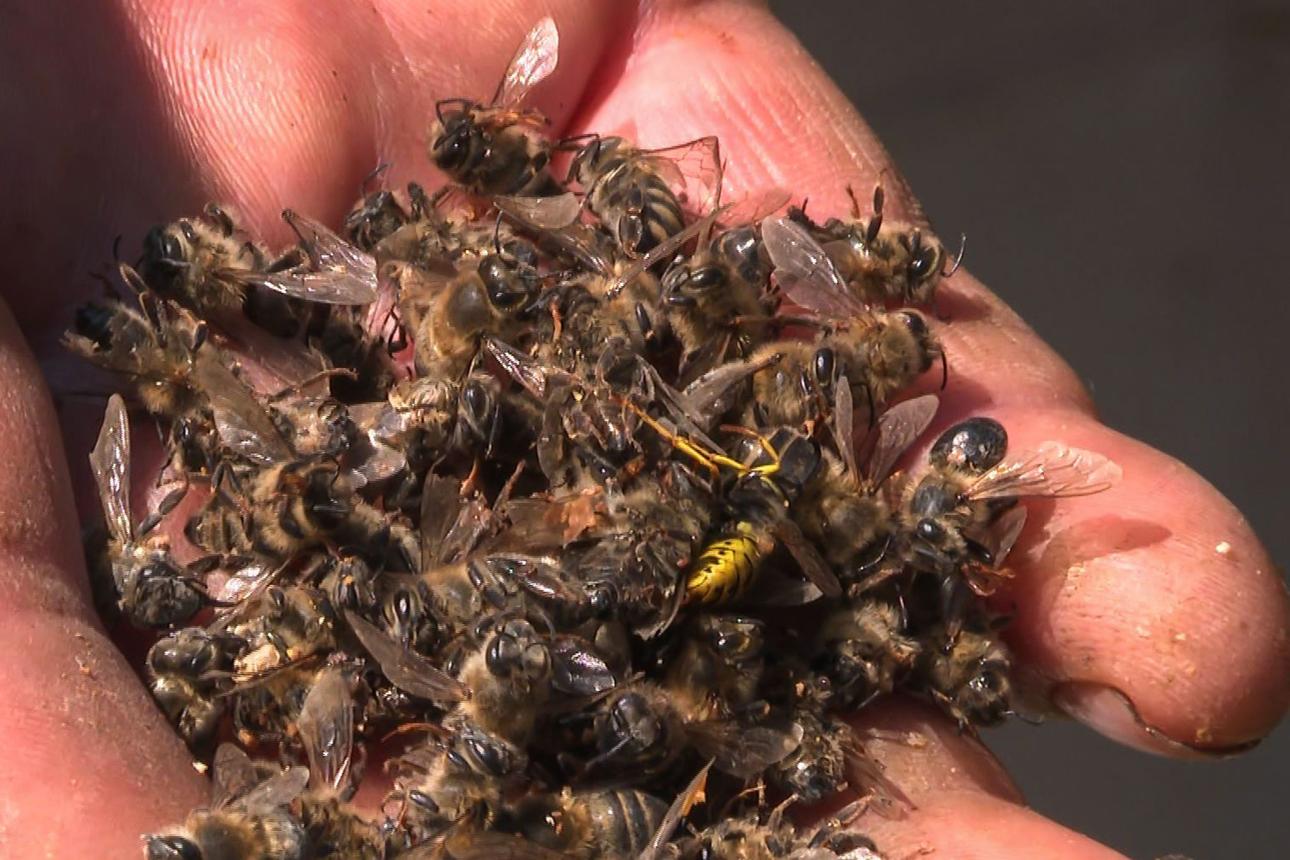
आज दुनिया भर में मधुमक्खियों की आबादी चिंता का विषय बनती जा रही है। इसके पीछे कई कारण हैं:
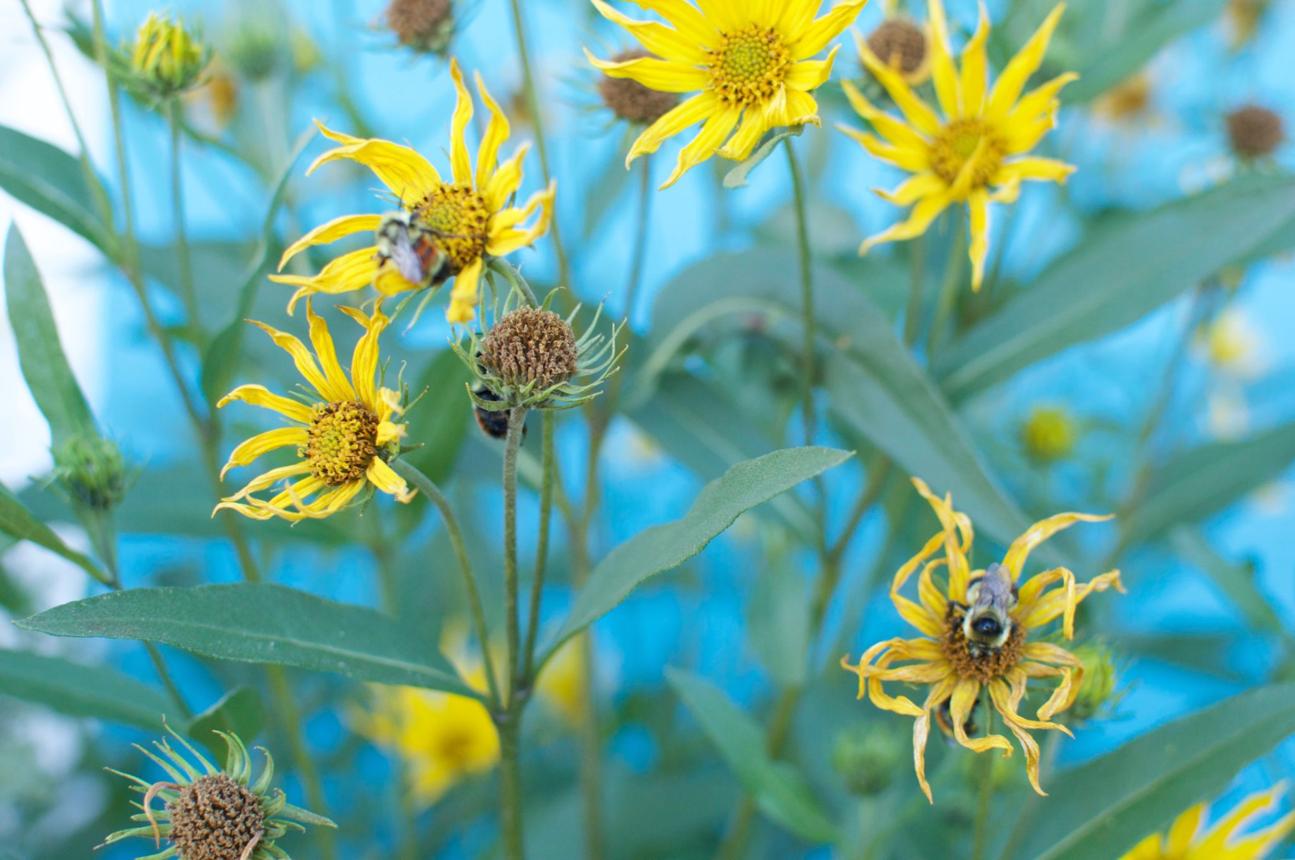
मधुमक्खियों का संरक्षण केवल पर्यावरण की नहीं, बल्कि खेती की भी आवश्यकता है।
अक्सर लोग मधुमक्खियों को केवल शहद उत्पादन से जोड़ते हैं, जबकि उनकी सबसे बड़ी आर्थिक भूमिका परागण है। संयुक्त राष्ट्र के खाद्य एवं कृषि संगठन (FAO) के अनुसार, वैश्विक कृषि में परागण सेवाओं का मूल्य अरबों डॉलर के बराबर है। इसका सीधा लाभ किसानों को अधिक उत्पादन और बेहतर गुणवत्ता के रूप में मिलता है।
यदि मधुमक्खियों की संख्या लगातार घटती रही, तो कई फसलों का उत्पादन प्रभावित हो सकता है। इससे खाद्य सुरक्षा, किसानों की आय और जैव विविधता पर नकारात्मक असर पड़ेगा। इसलिए मधुमक्खियों का संरक्षण केवल पर्यावरण प्रेमियों की जिम्मेदारी नहीं, बल्कि हर किसान और उपभोक्ता की भी जिम्मेदारी है।
मधुमक्खियां प्रकृति का एक छोटा सा जीव हैं, लेकिन खेती और खाद्य सुरक्षा में उनका योगदान बहुत बड़ा है। वे बिना किसी शोर के खेतों में काम करती हैं और फसलों को बेहतर उत्पादन देने में मदद करती हैं। इसलिए यह कहना बिल्कुल सही है—
मधुमक्खियां बचेंगी, तभी फसलें खिलेंगी और खेती का भविष्य सुरक्षित रहेगा।
मधुमक्खियों की रक्षा करें, क्योंकि एक स्वस्थ मधुमक्खी आबादी ही समृद्ध खेती और सुरक्षित भविष्य की आधारशिला है।
While collecting nectar and pollen from flowers, honeybees transfer pollen from one flower to another. This process is known as pollination. Better pollination leads to increased fruit and seed formation, improving both crop yield and quality.
Honeybees play a crucial role in crops such as mustard, sunflower, apple, mango, litchi, almond, cucumber, watermelon, and many vegetable crops. Numerous studies have shown that the presence of honeybees can significantly enhance both the yield and quality of various crops.
The declining honeybee population has become a global concern. Several factors contribute to this issue:
When honeybees do not have access to sufficient food and a safe environment, their colonies begin to weaken and decline.
Protecting honeybees is not only important for the environment but also essential for sustainable agriculture.
People often associate honeybees solely with honey production, but their greatest economic contribution comes through pollination. According to the Food and Agriculture Organization (FAO) of the United Nations, pollination services contribute billions of dollars to global agriculture. Farmers benefit directly through higher yields and improved crop quality.
If honeybee populations continue to decline, the production of many crops could be adversely affected. This would negatively impact food security, farmers' incomes, and biodiversity. Therefore, protecting honeybees is not just the responsibility of environmentalists but of every farmer and consumer.
Honeybees may be small creatures, but their contribution to agriculture and food security is immense. They work silently in fields, helping crops produce better yields. Therefore, it is absolutely true to say:
"If honeybees survive, crops will thrive, and the future of farming will remain secure."
Protect honeybees, because a healthy bee population is the foundation of prosperous agriculture, a balanced environment, and a secure future.
0
0
Flower drop is a major problem in tomato cultivation, leading to significant economic losses for far ...